
To read from the beginning, click here.
Today is “Explore Sydney” day and we started it off with coffee and breakfast in the hostel’s kitchen. Second order of business was waiting until the staff came in to extend our stay another day. We quickly realized that one day in Sydney wasn’t enough. Probably could use a week, but another day will certainly be more relaxing.
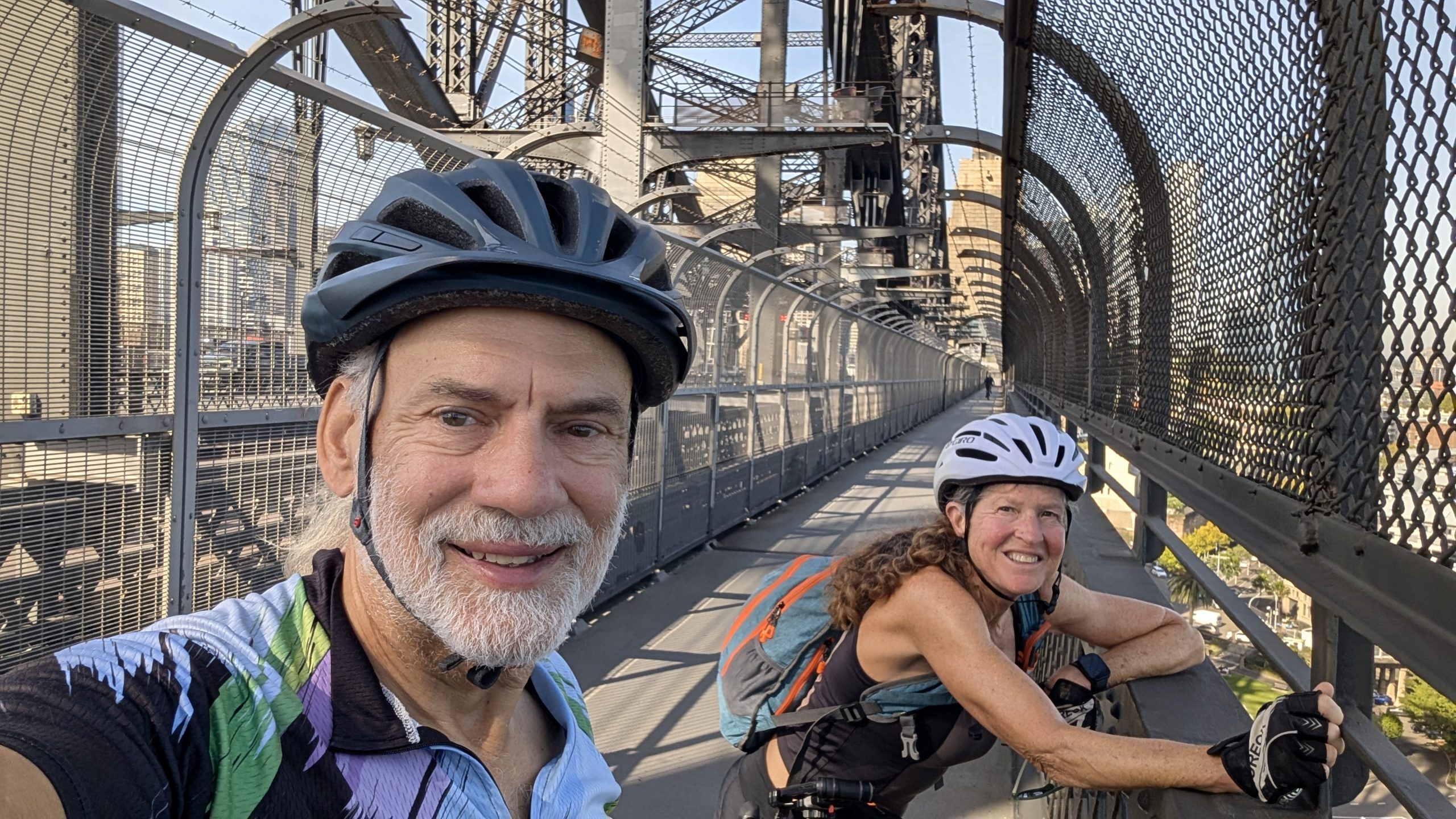
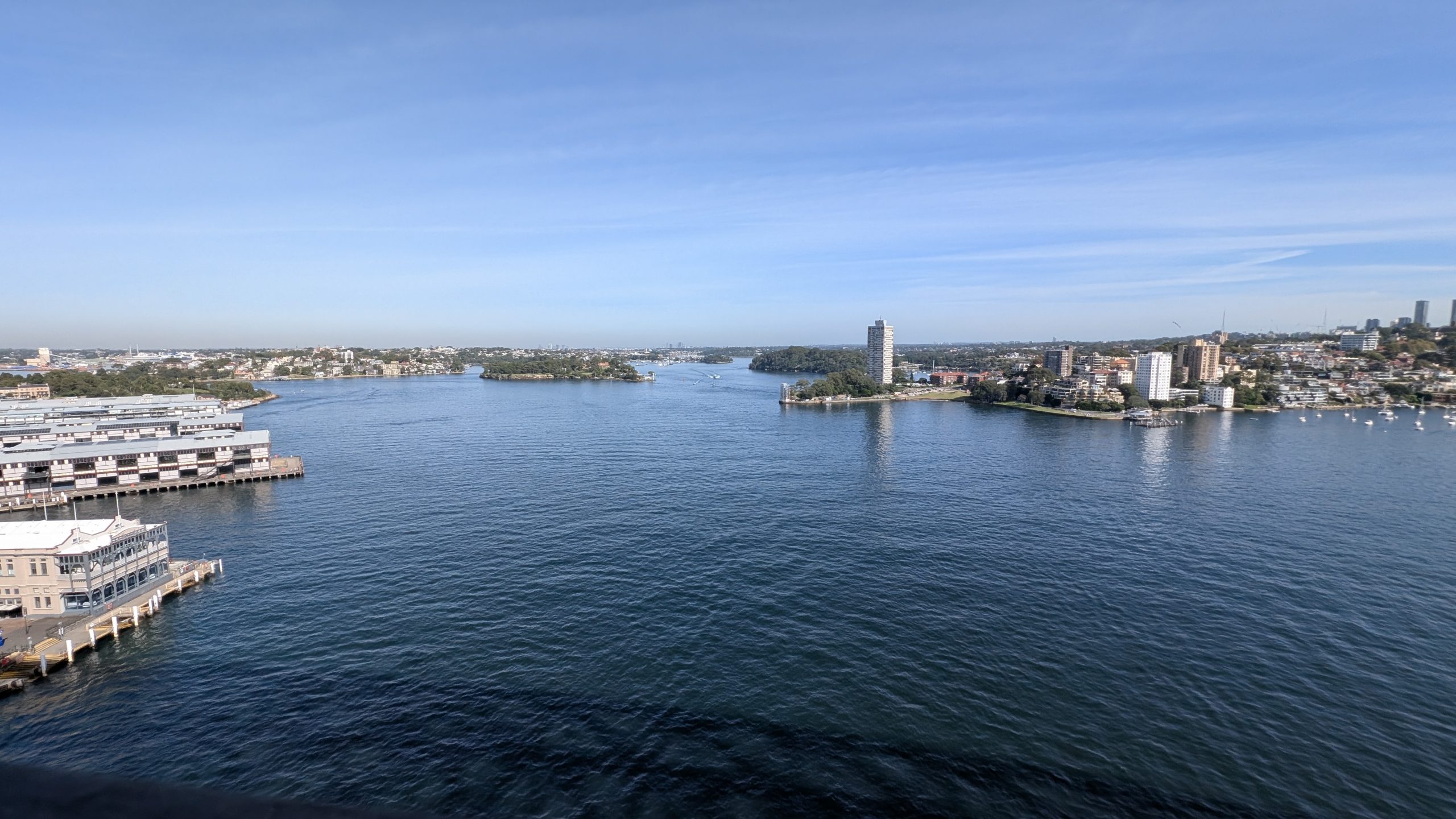
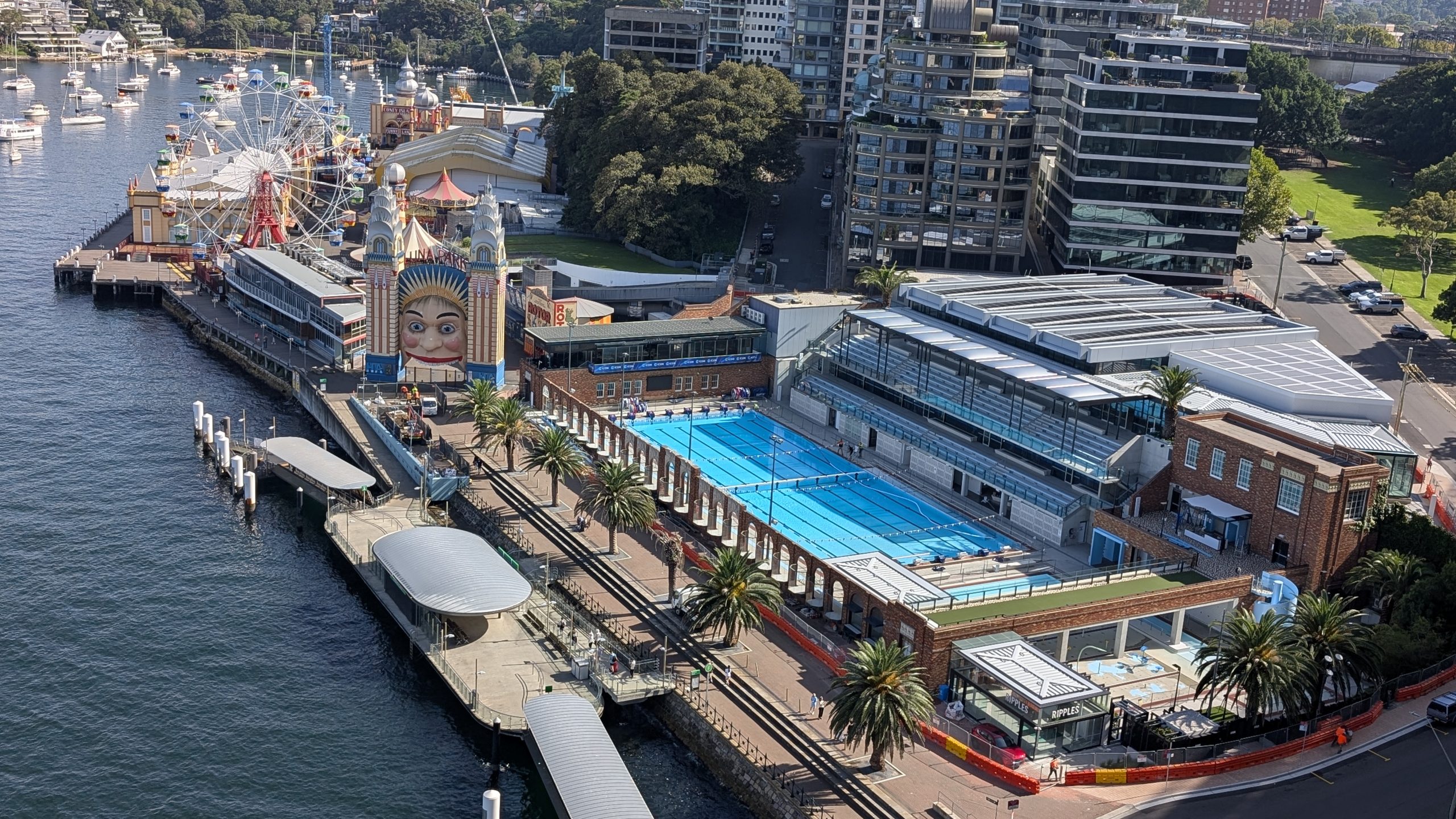
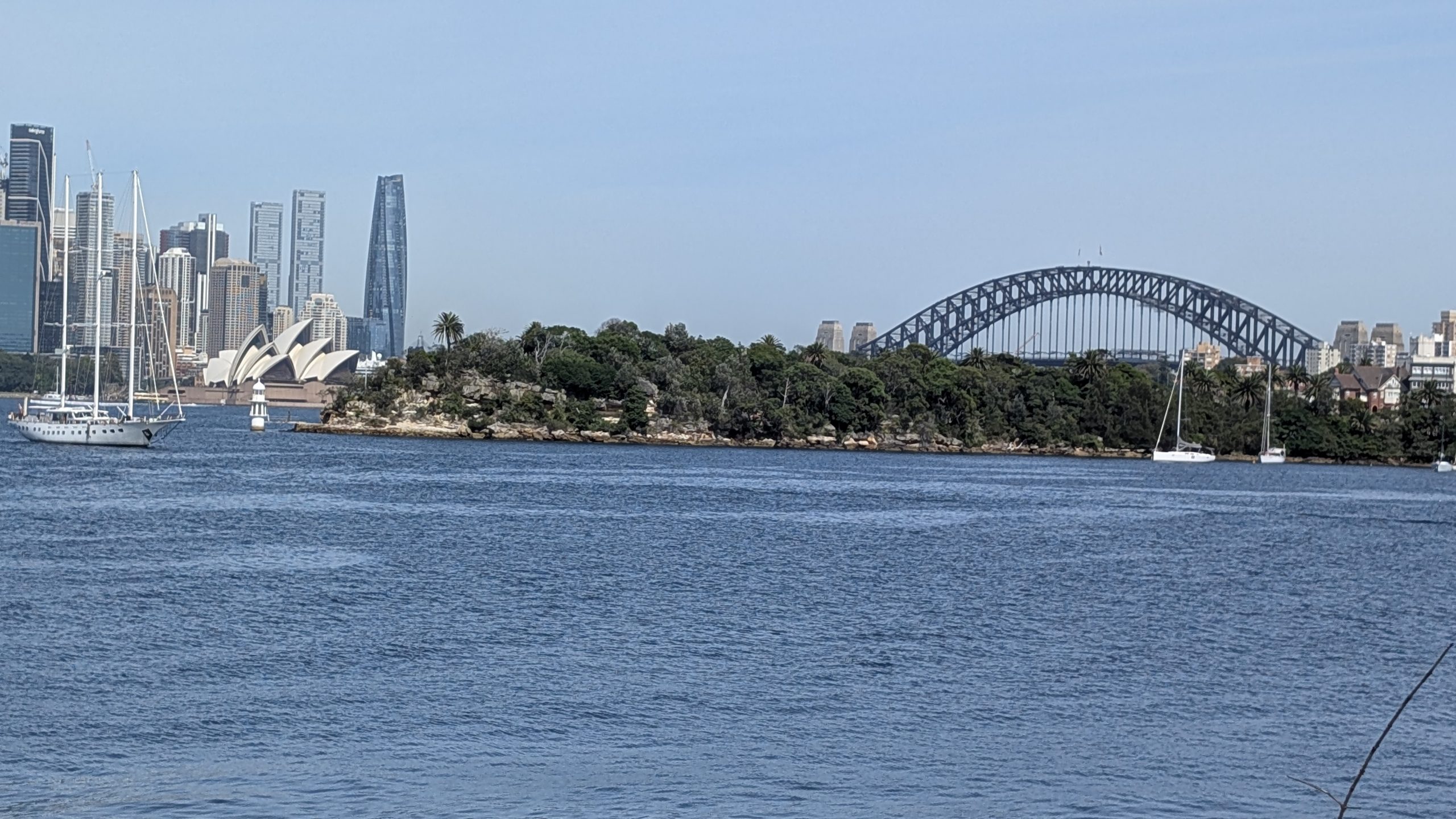
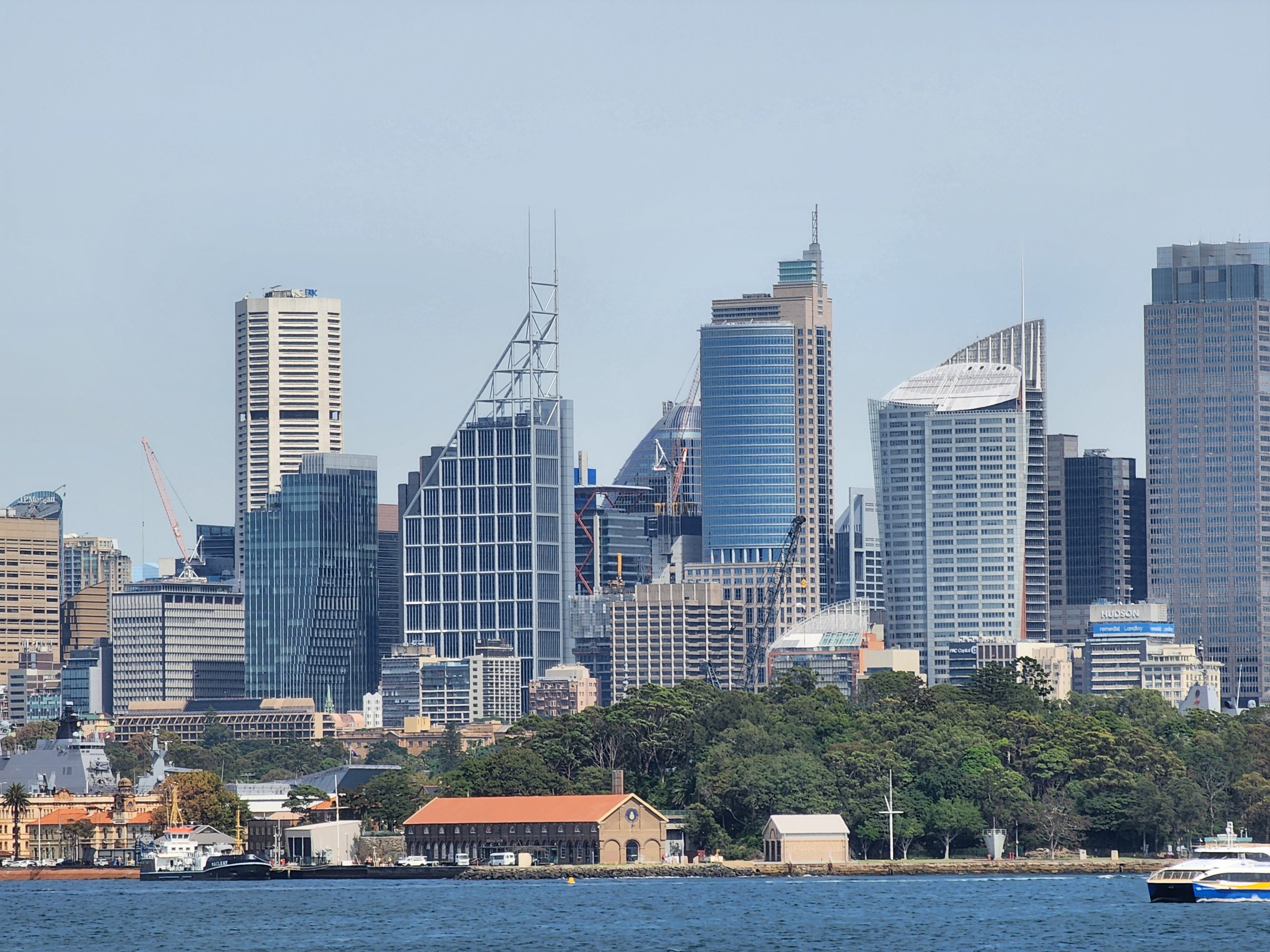
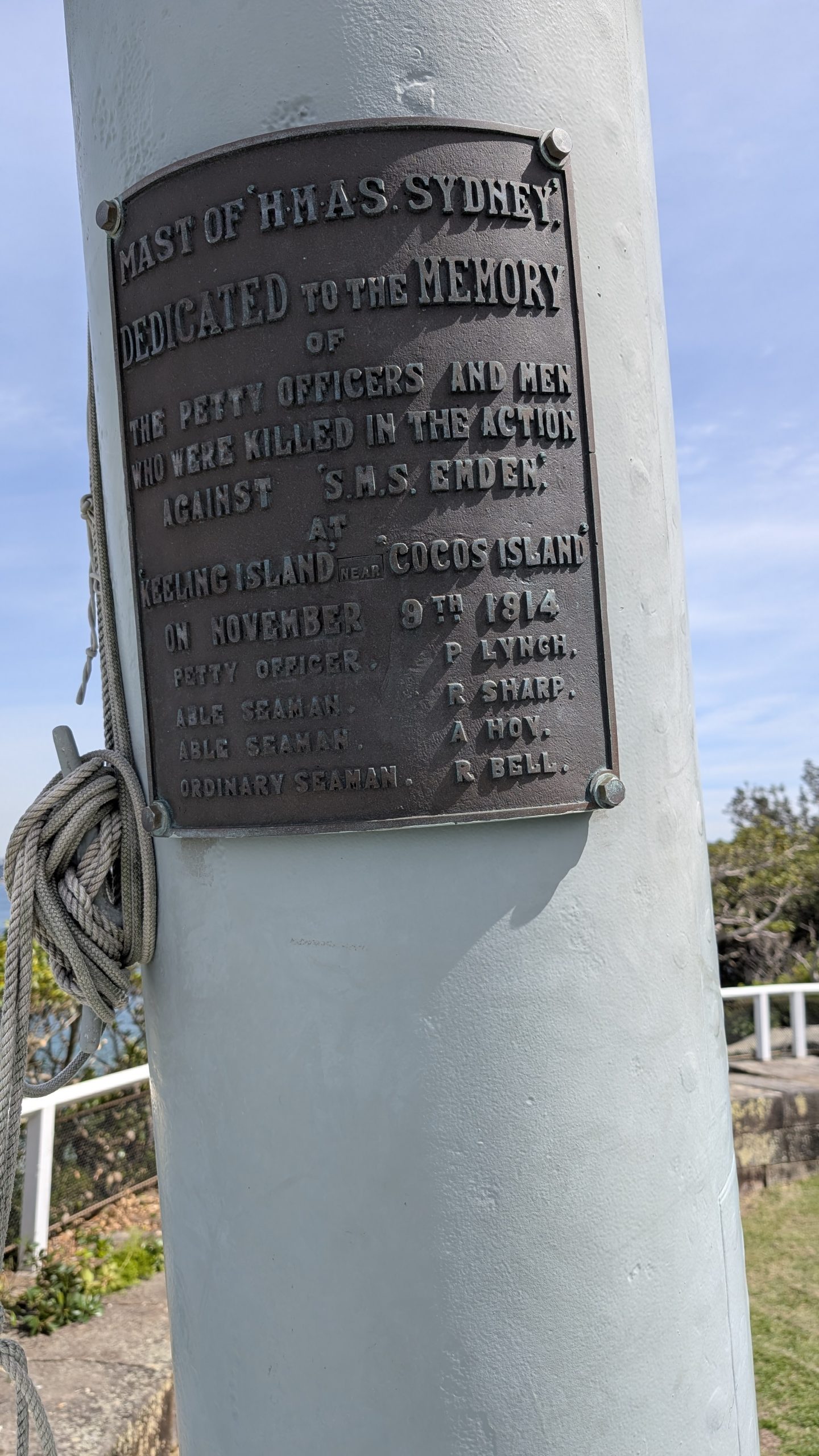
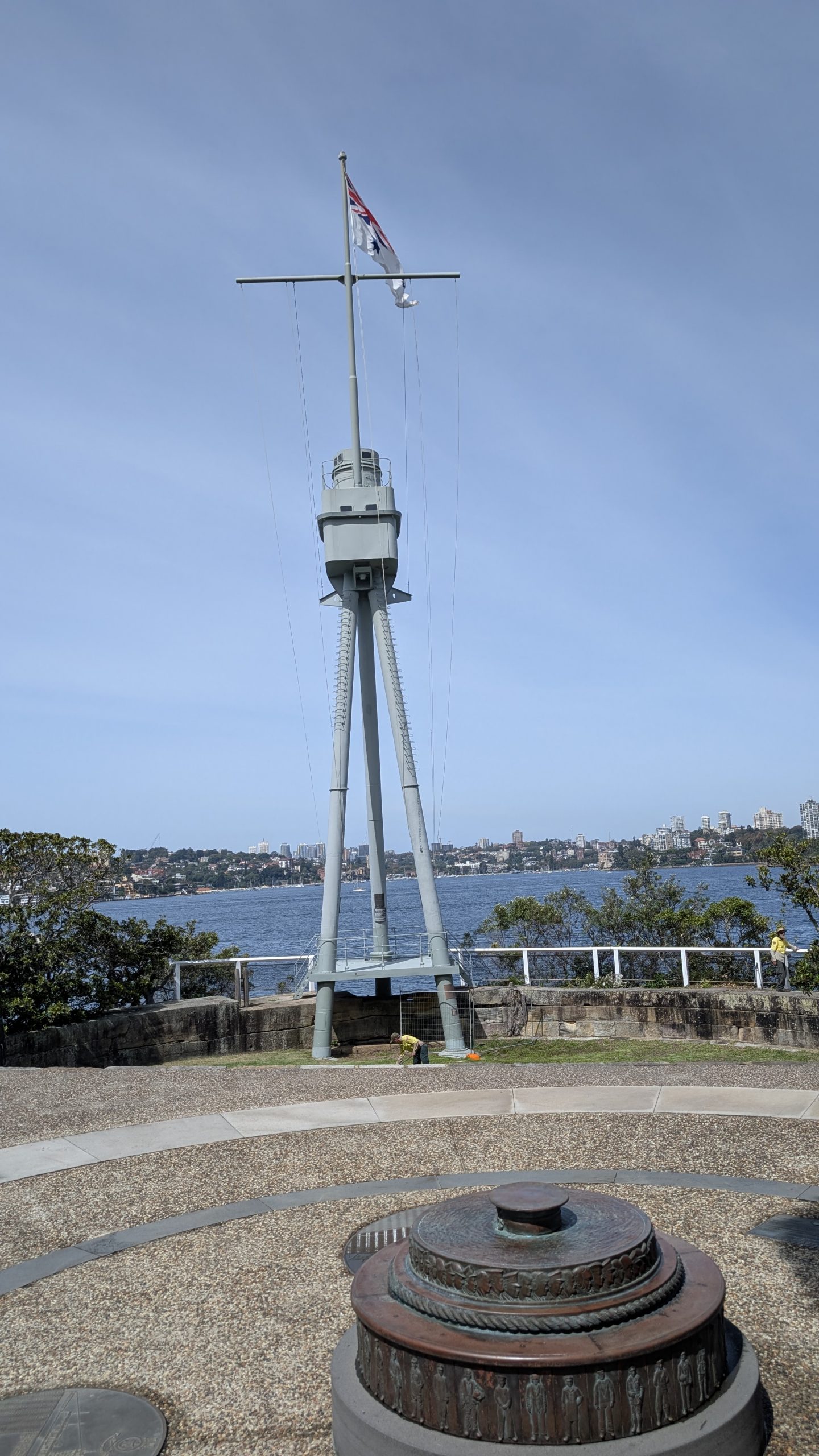
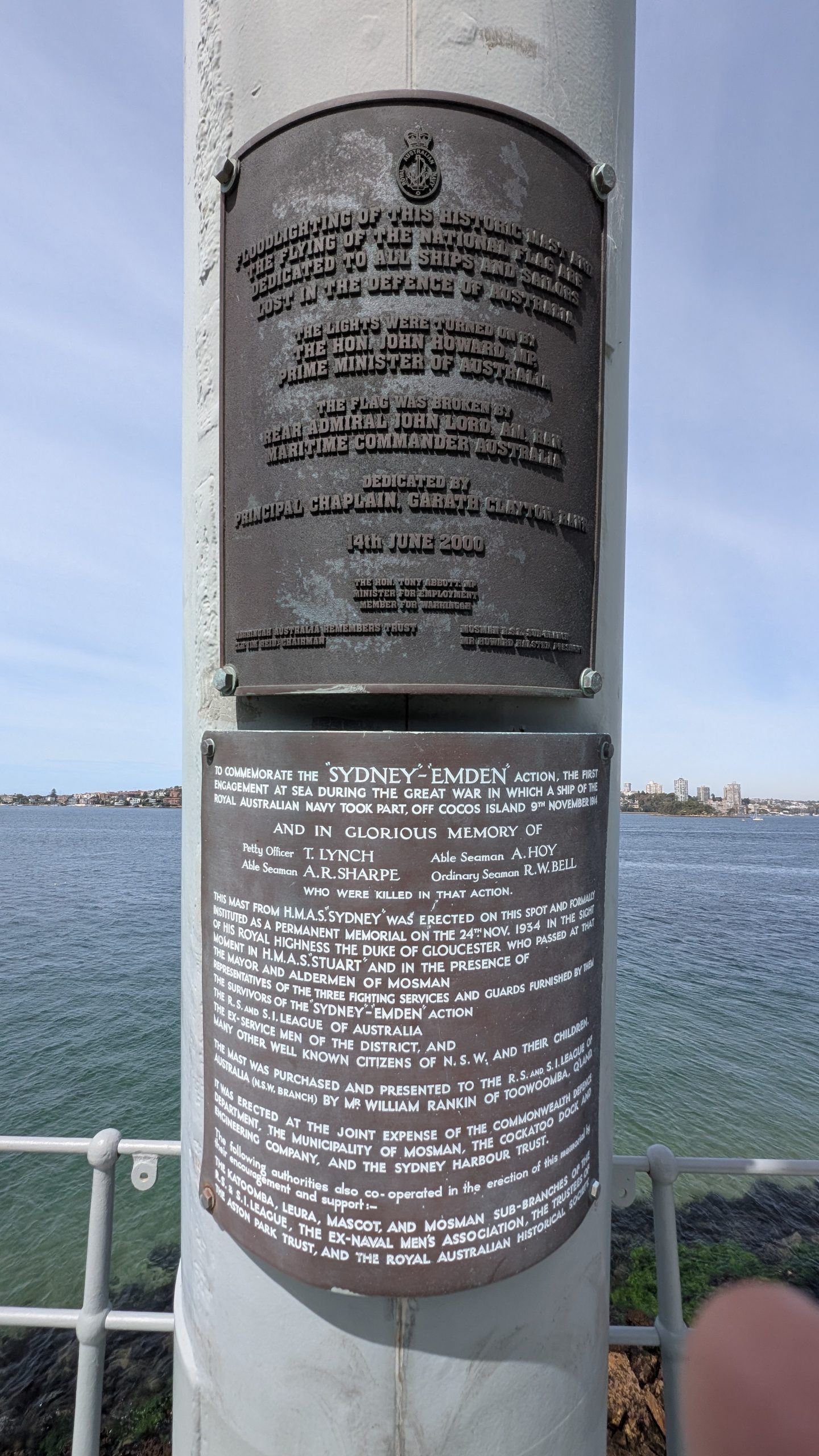
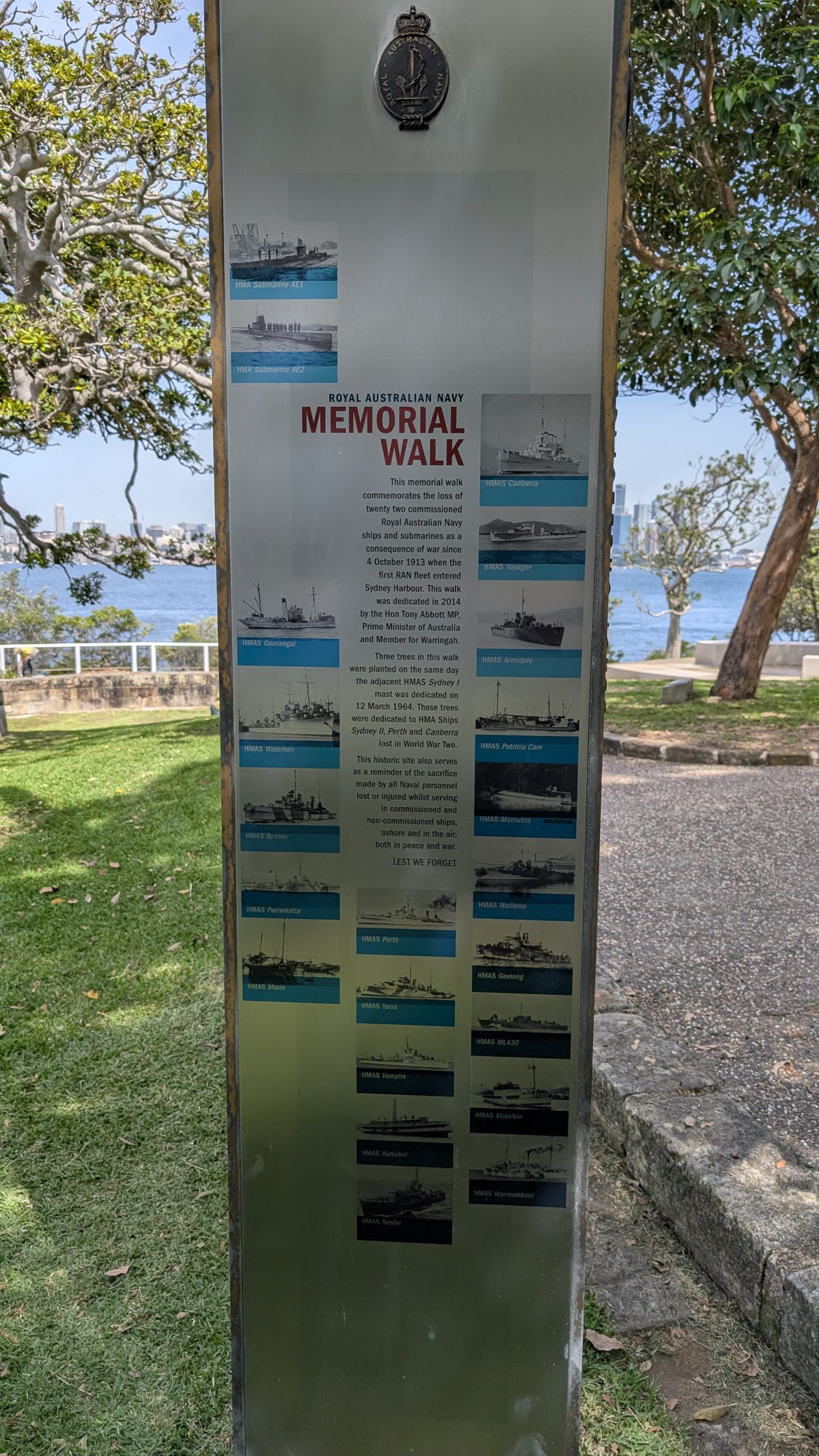
We headed out for the north side of Sydney, Bradley Head, crossing the Harbour Bridge on an amazing network of cycle paths. The riding through the hills of the suburbs was challenging, but we were rewarded with a view of Sydney from across the harbor, and an interesting memorial to the exploits of the Australian Navy in WWs I & II, Korea & Vietnam (yes, they fought by our side in all those wars).
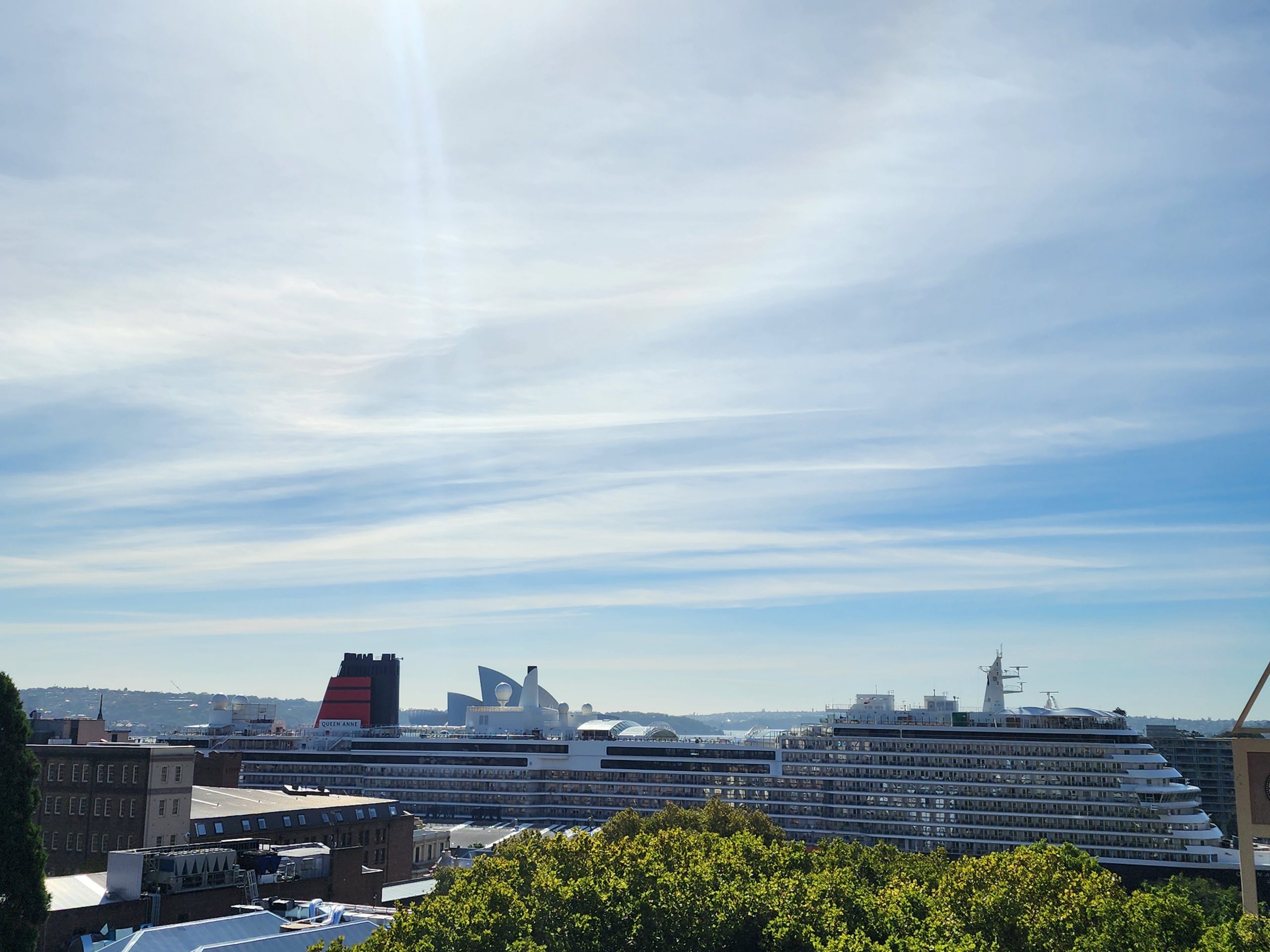
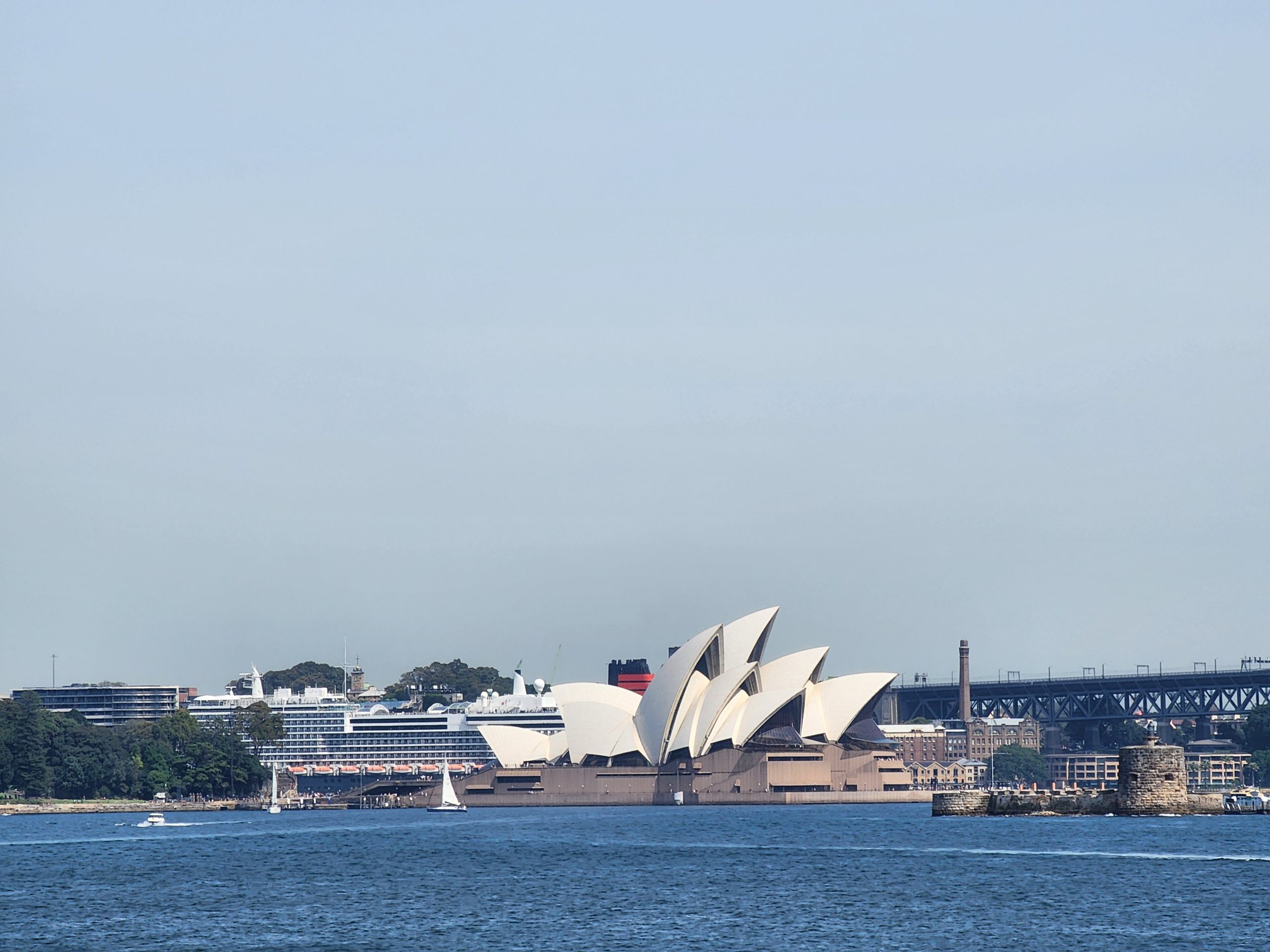
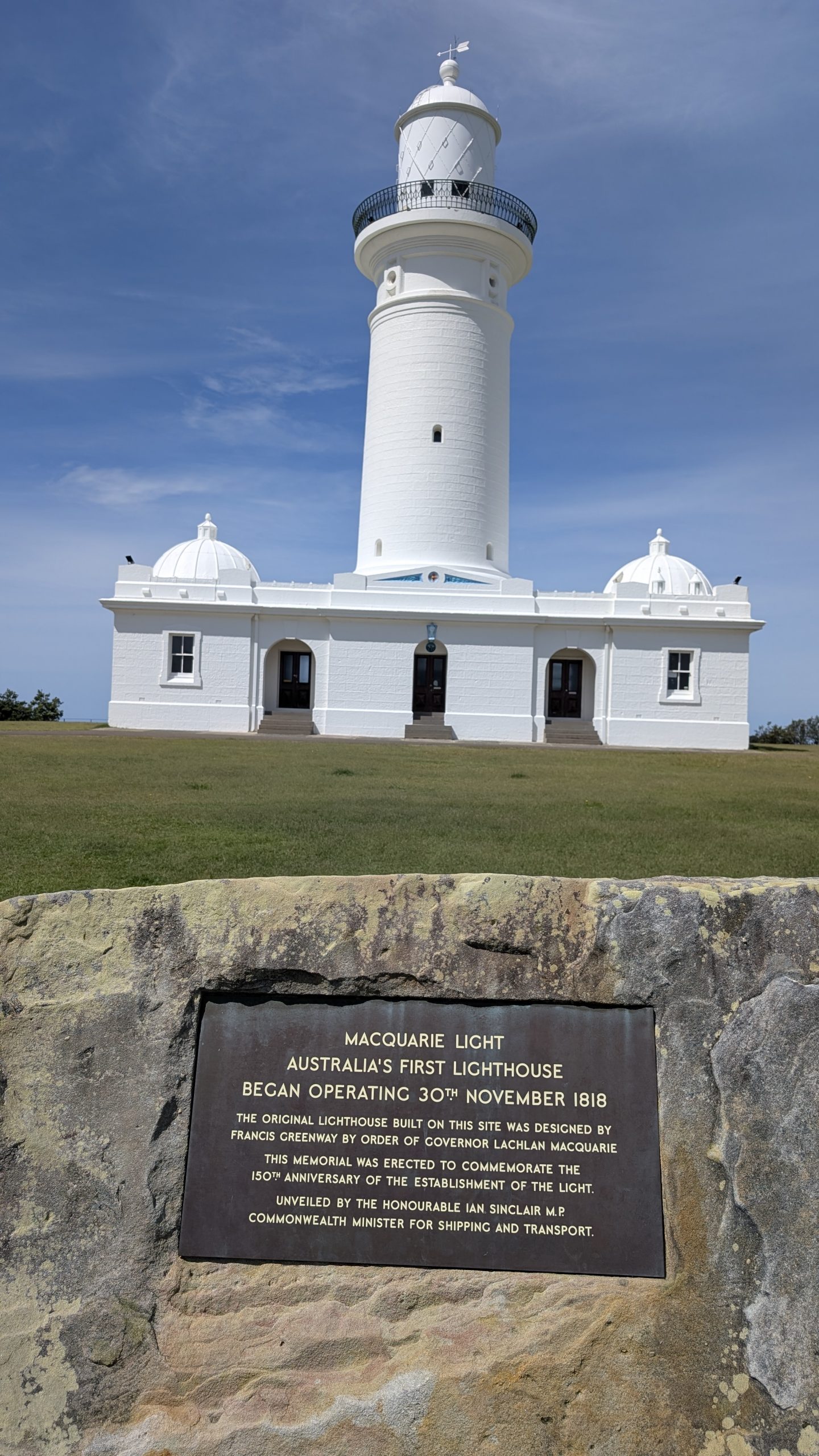
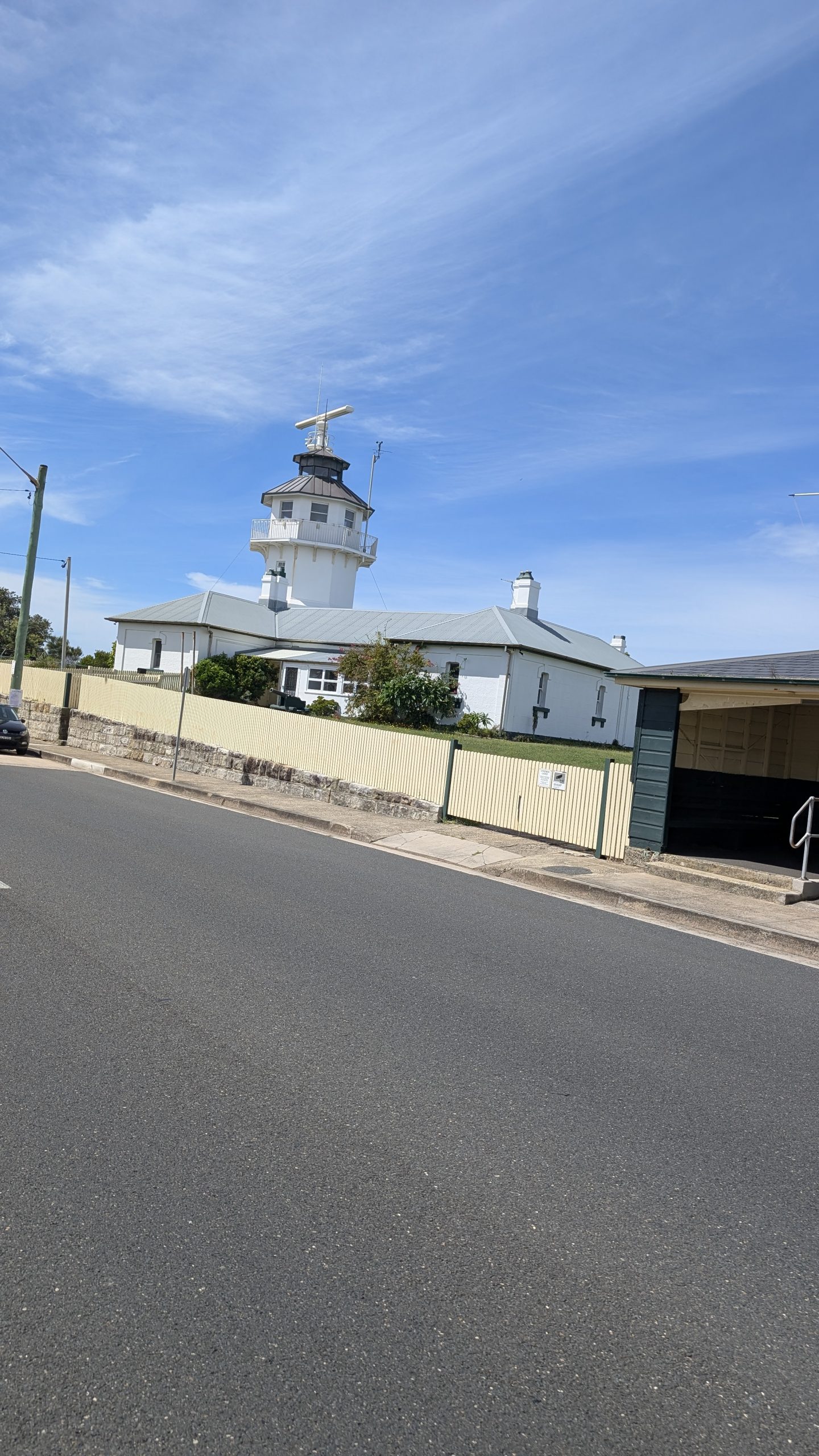
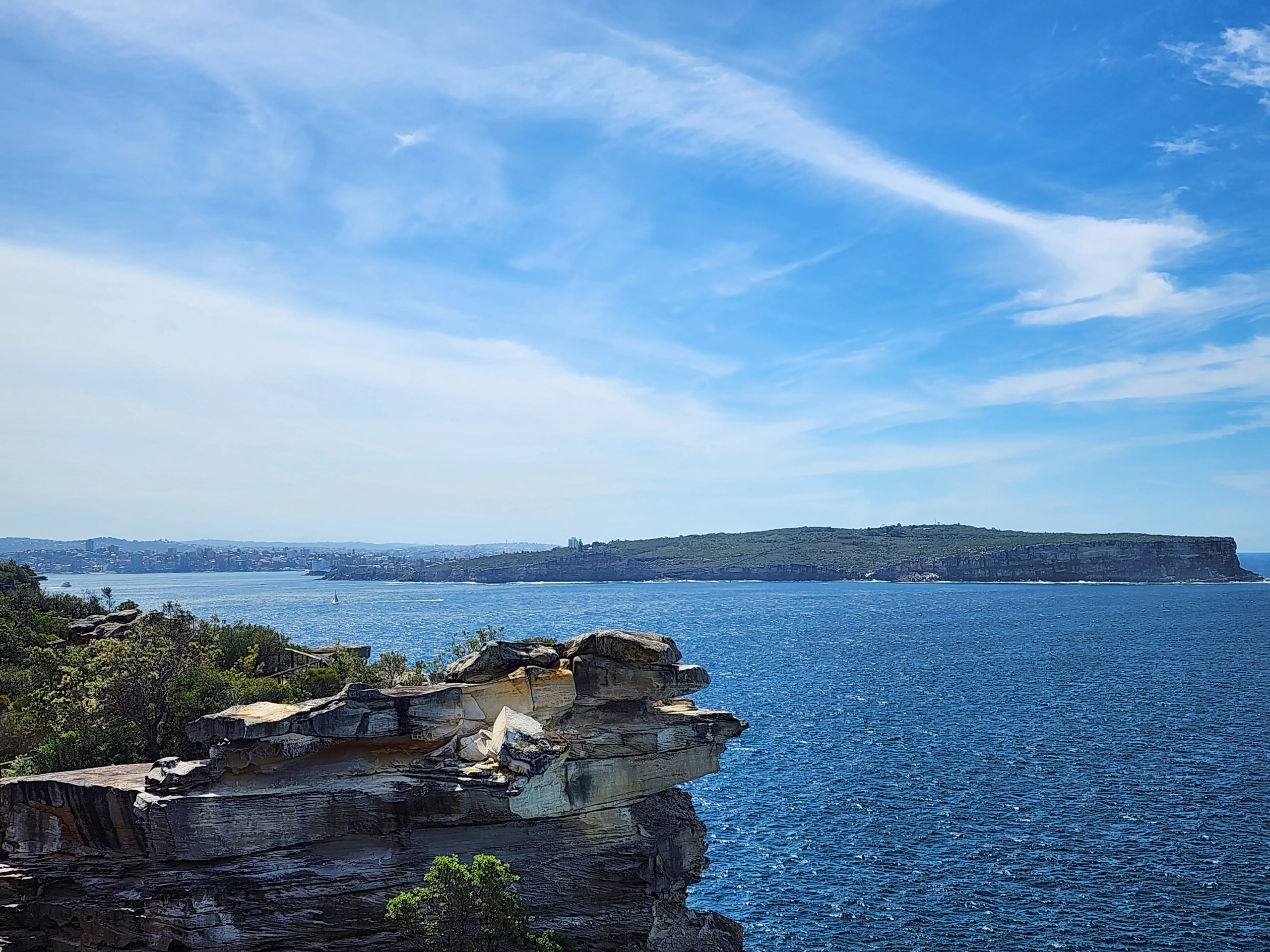
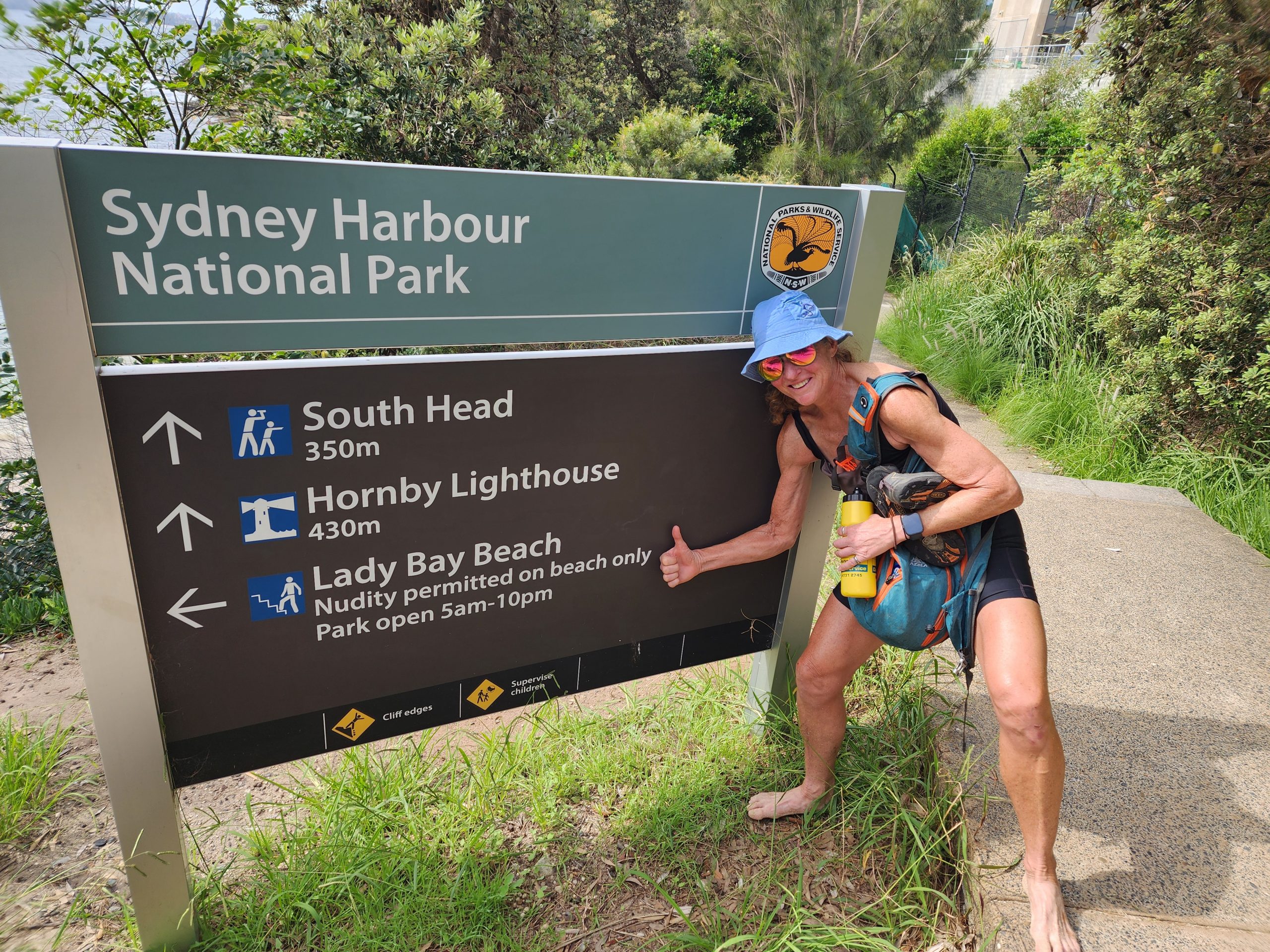
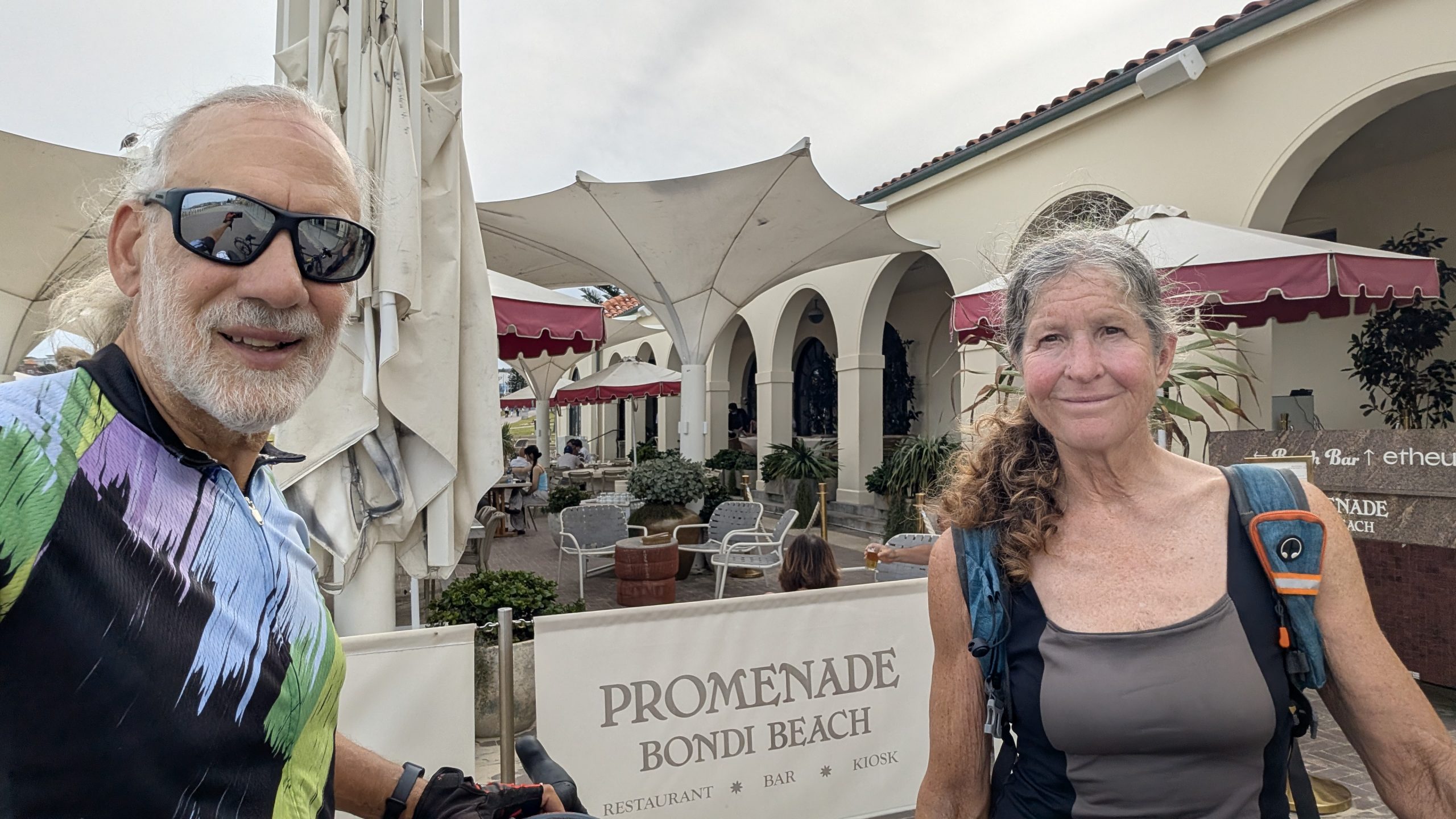
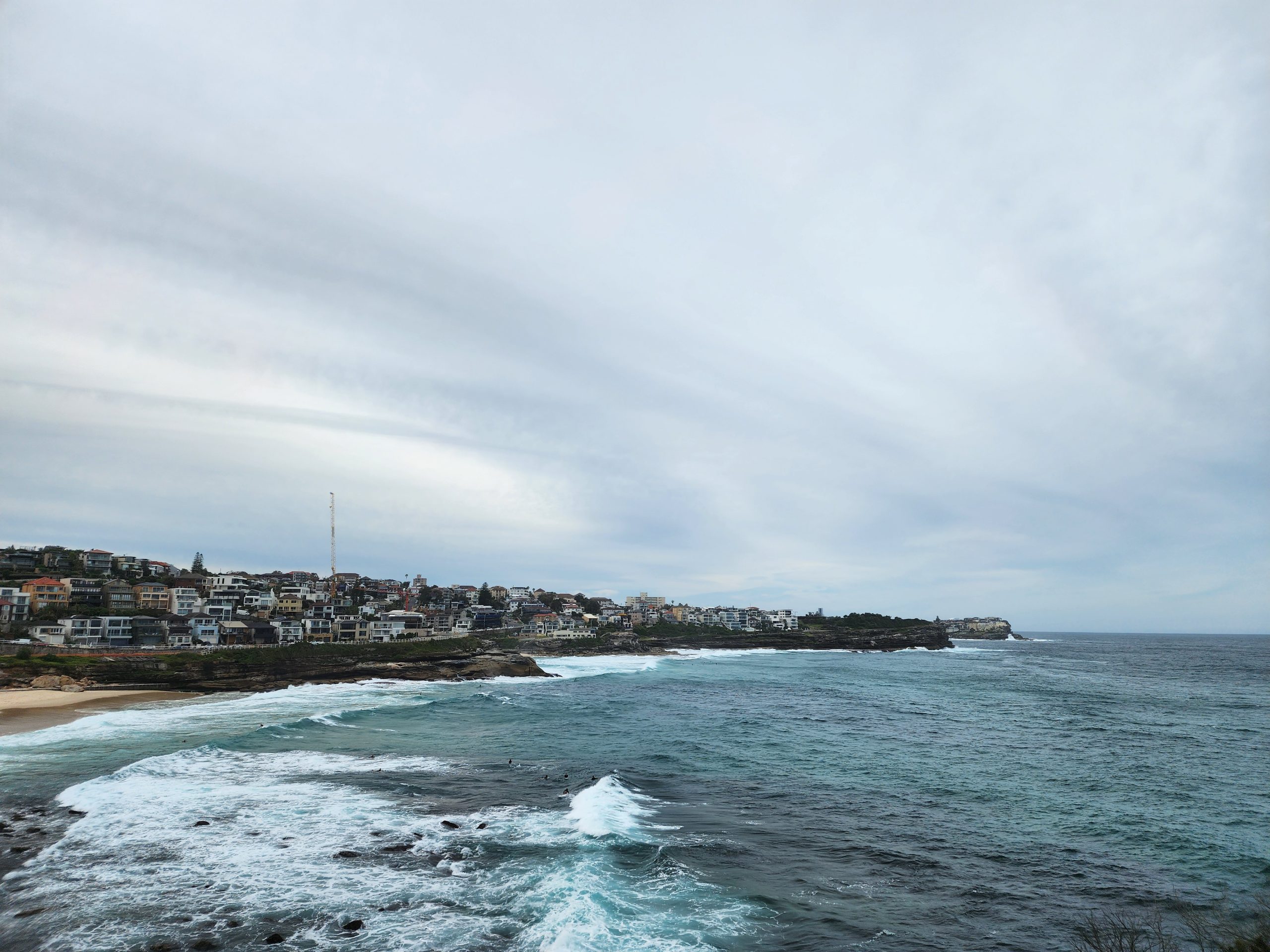
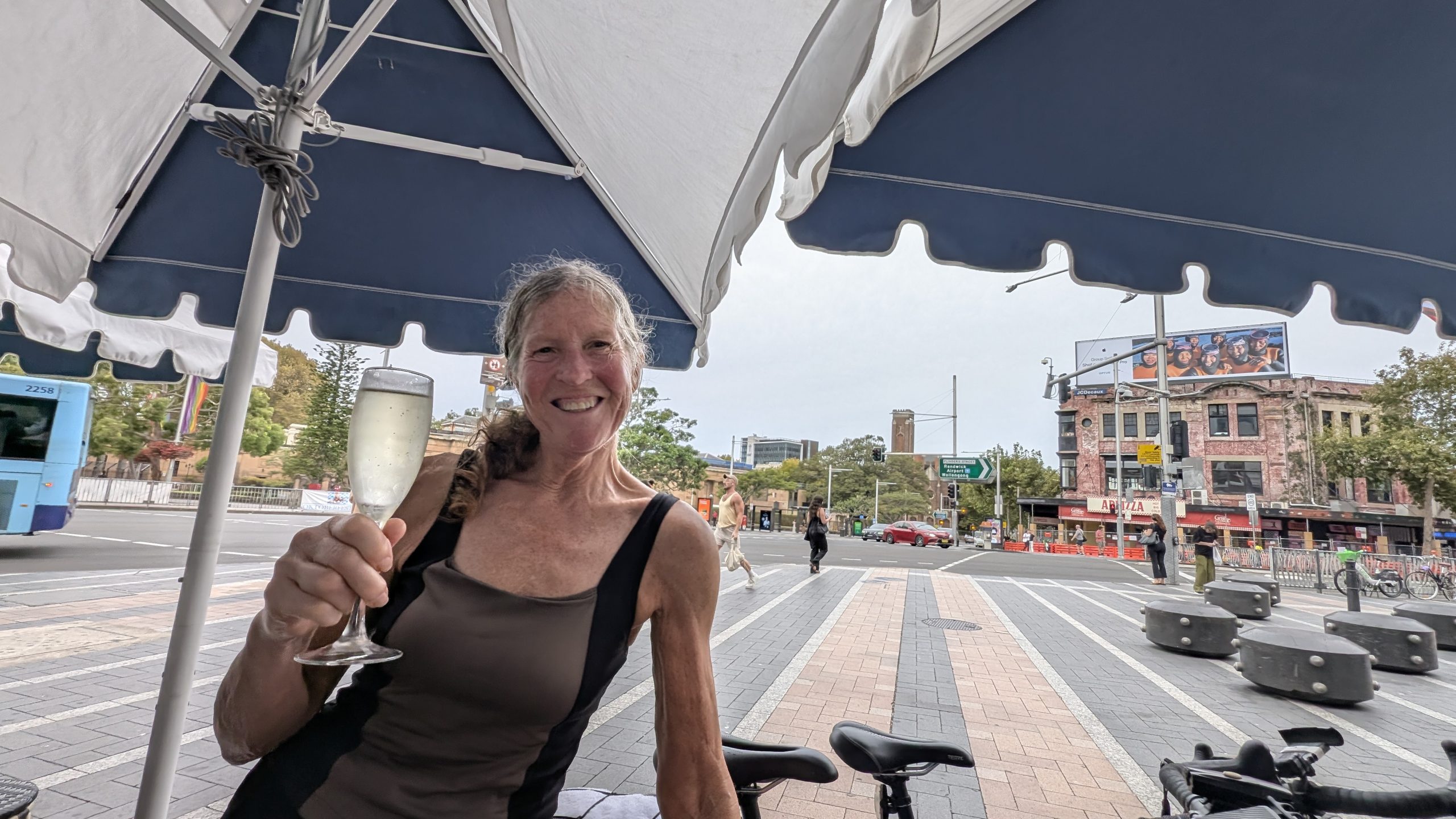
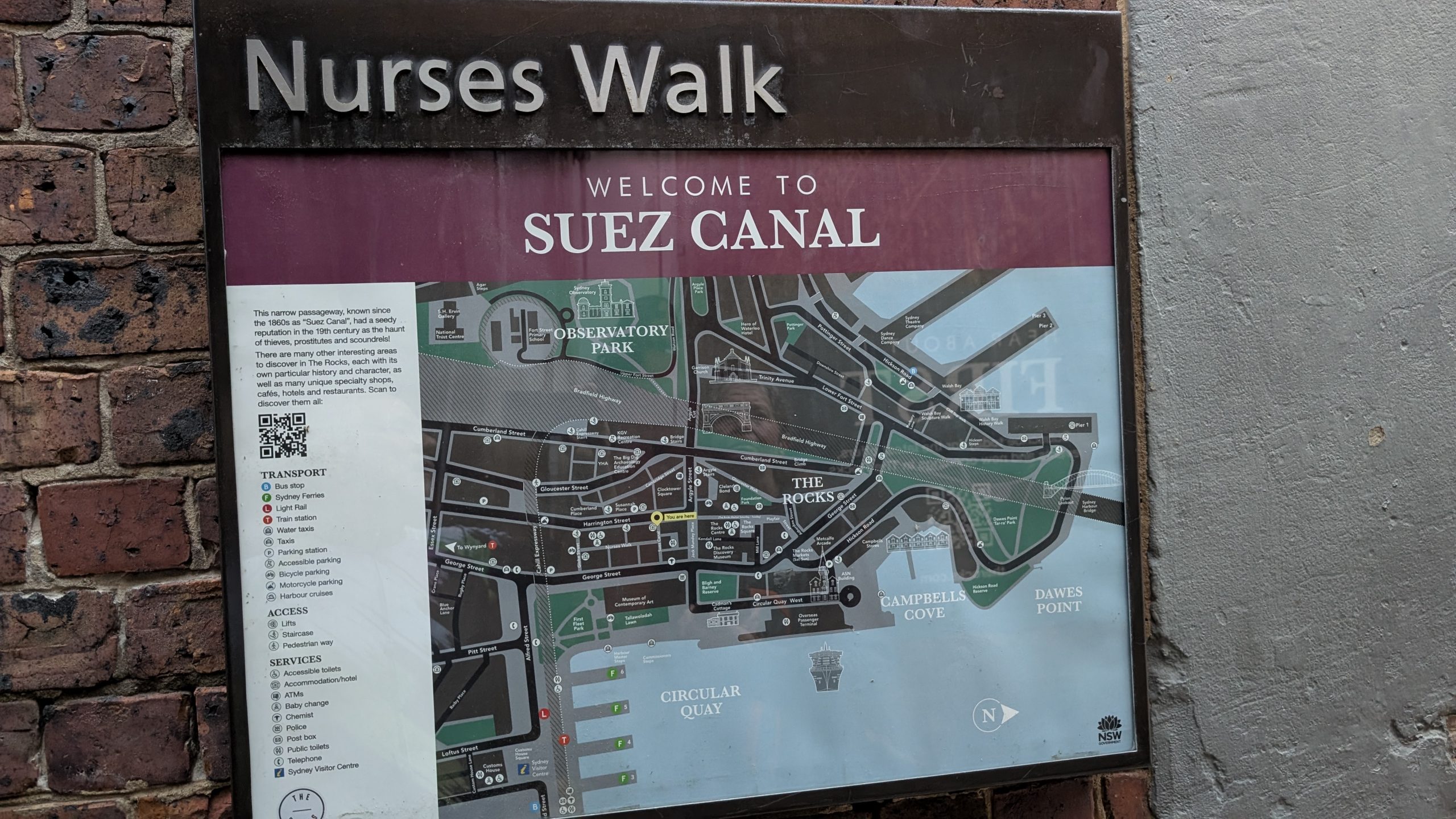
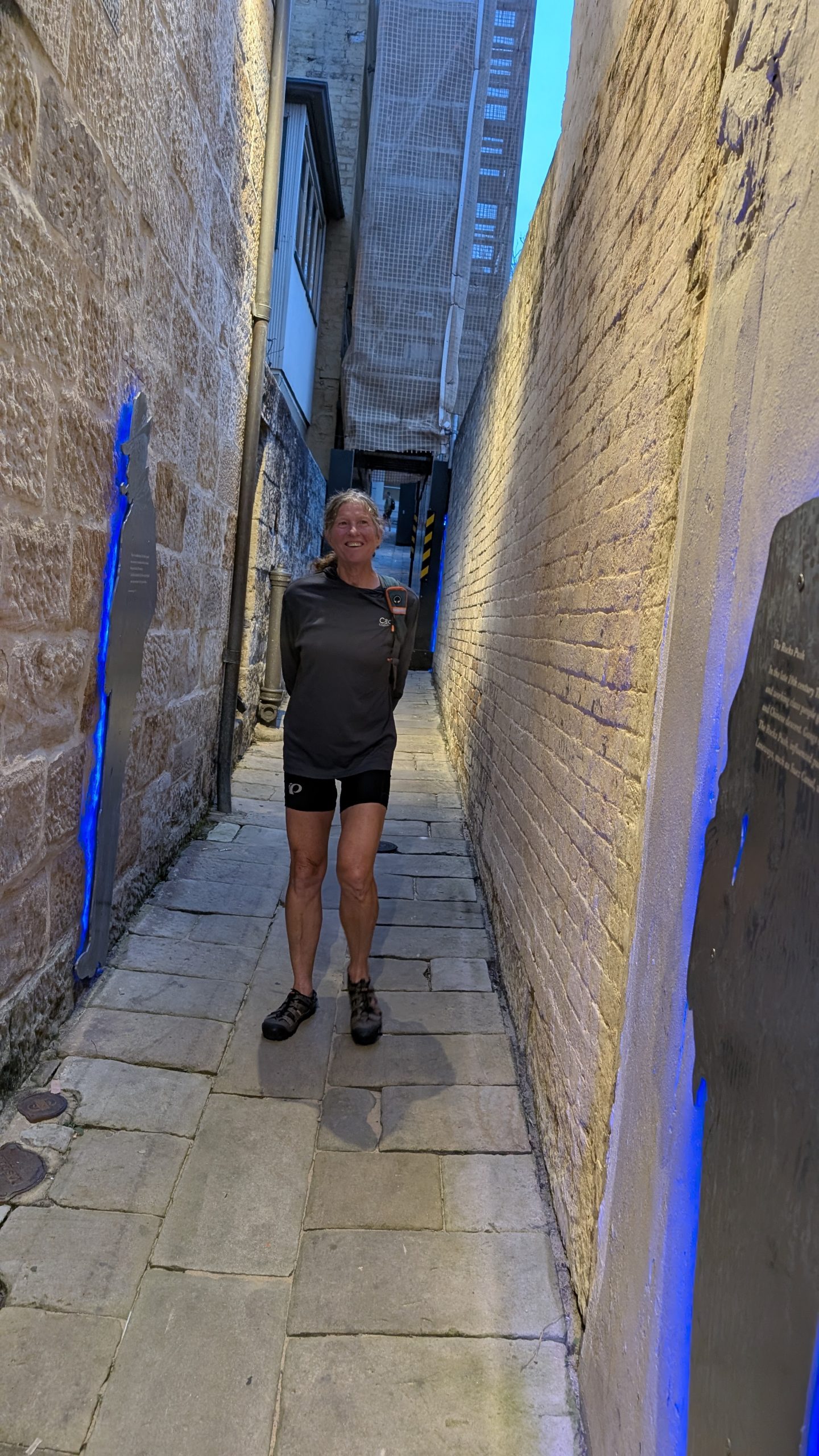
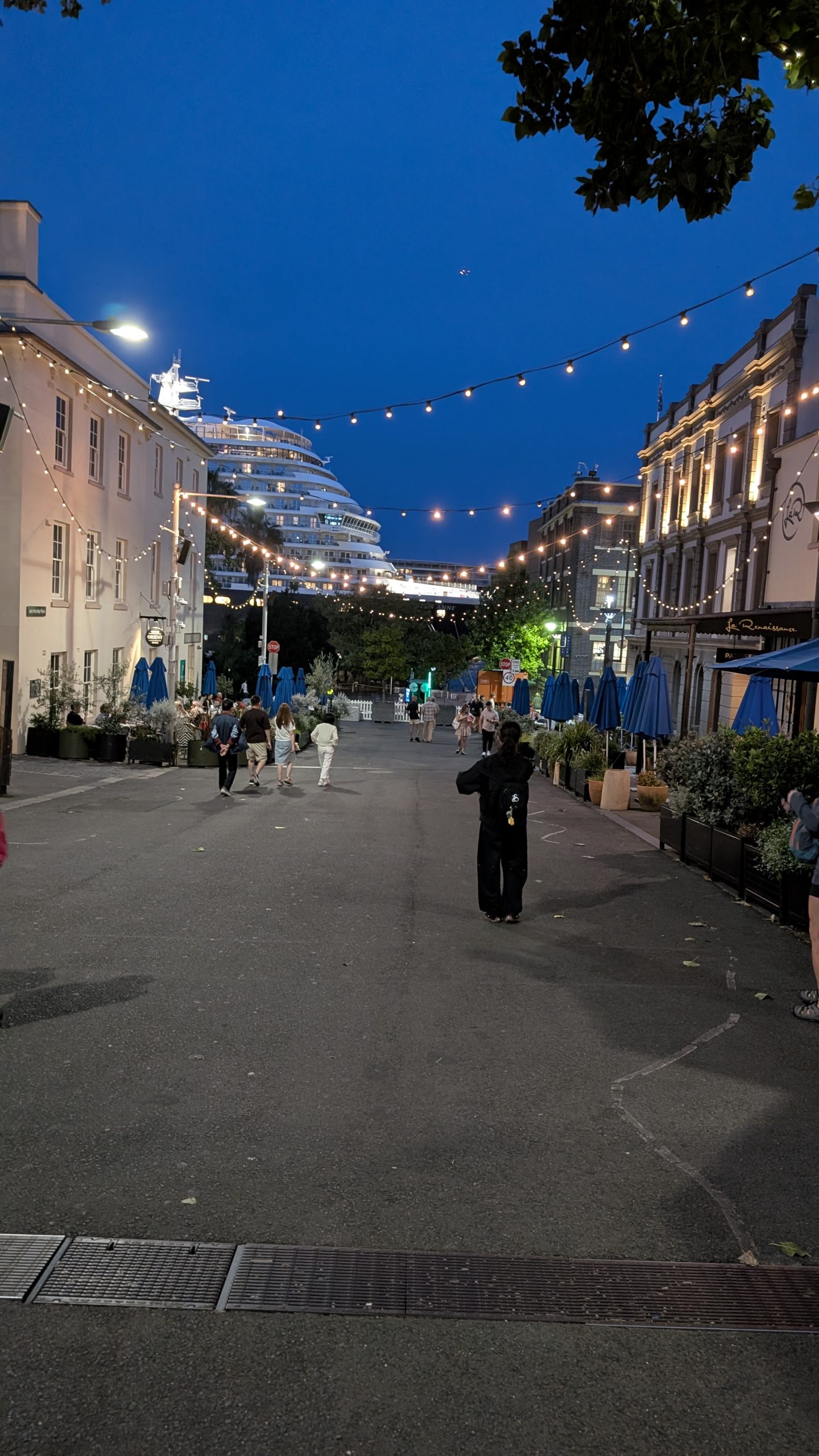
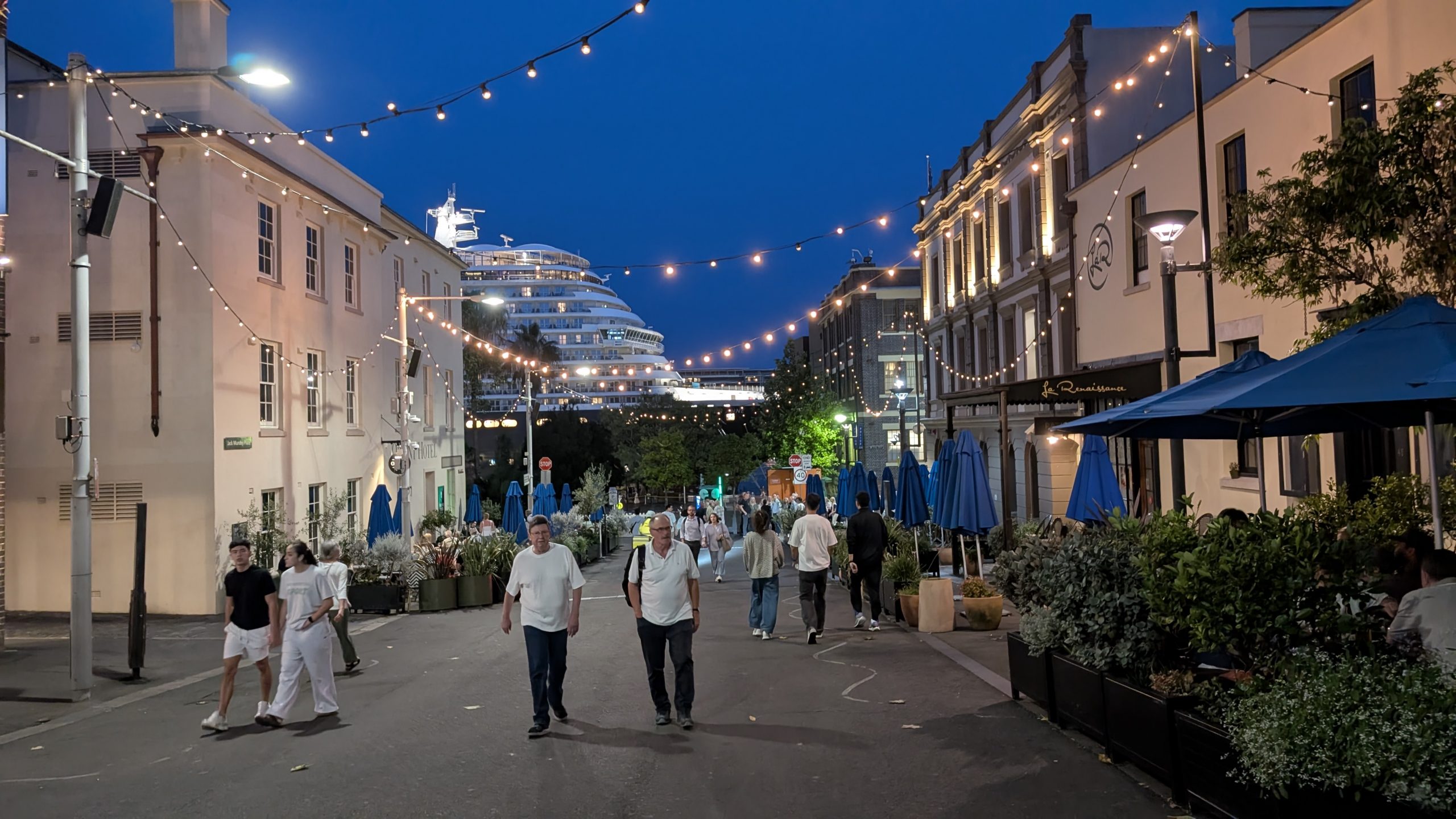
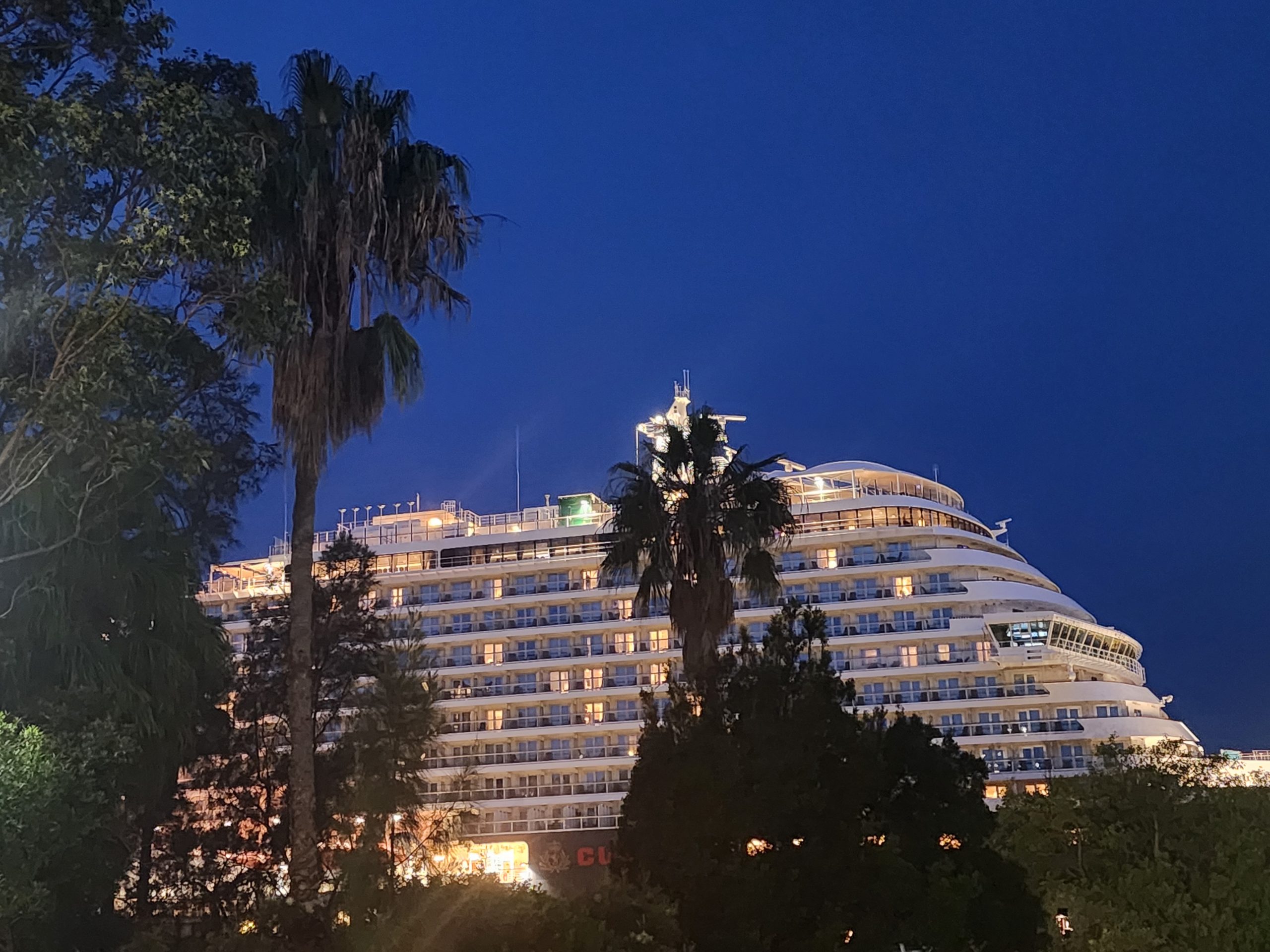
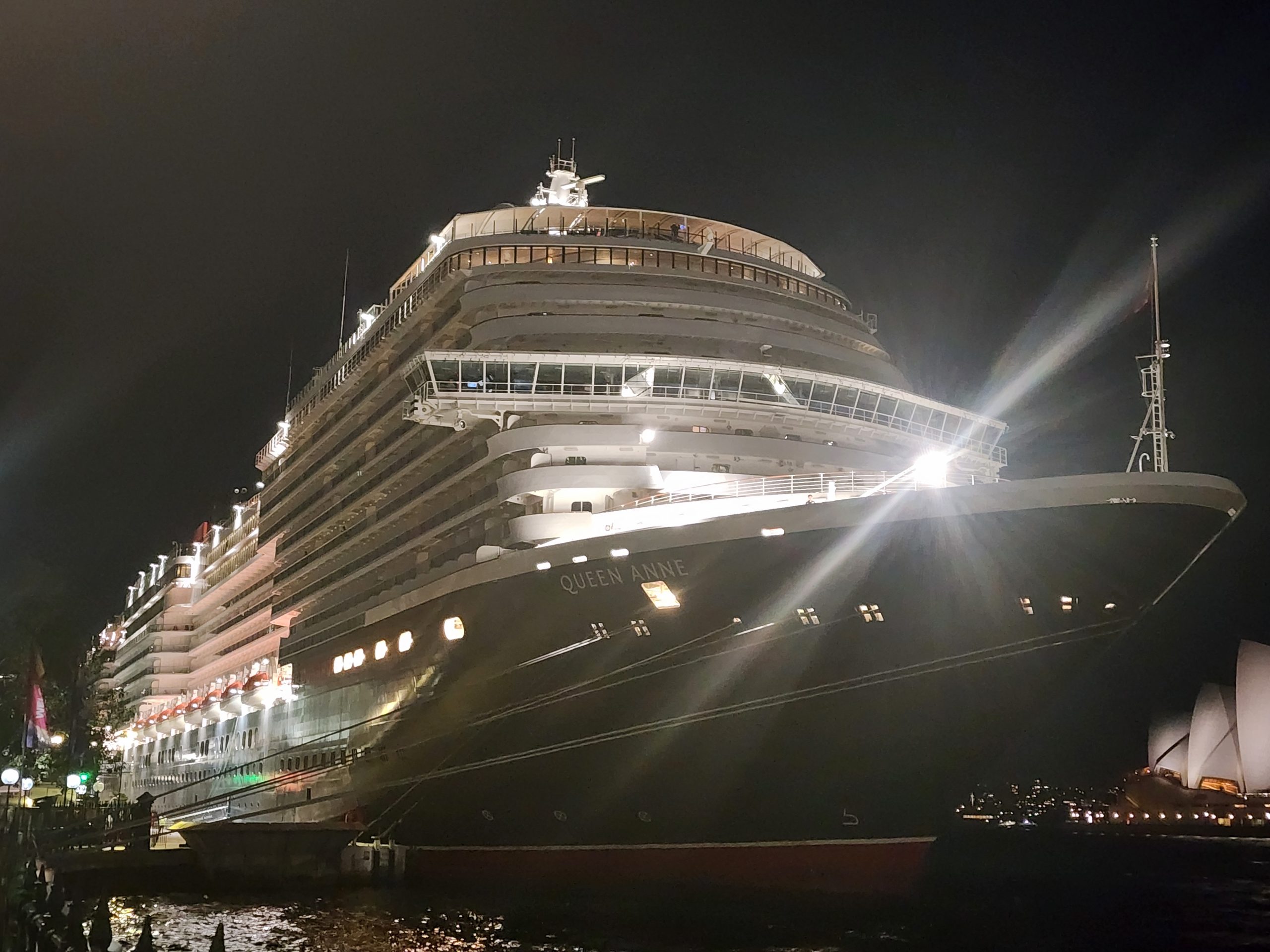
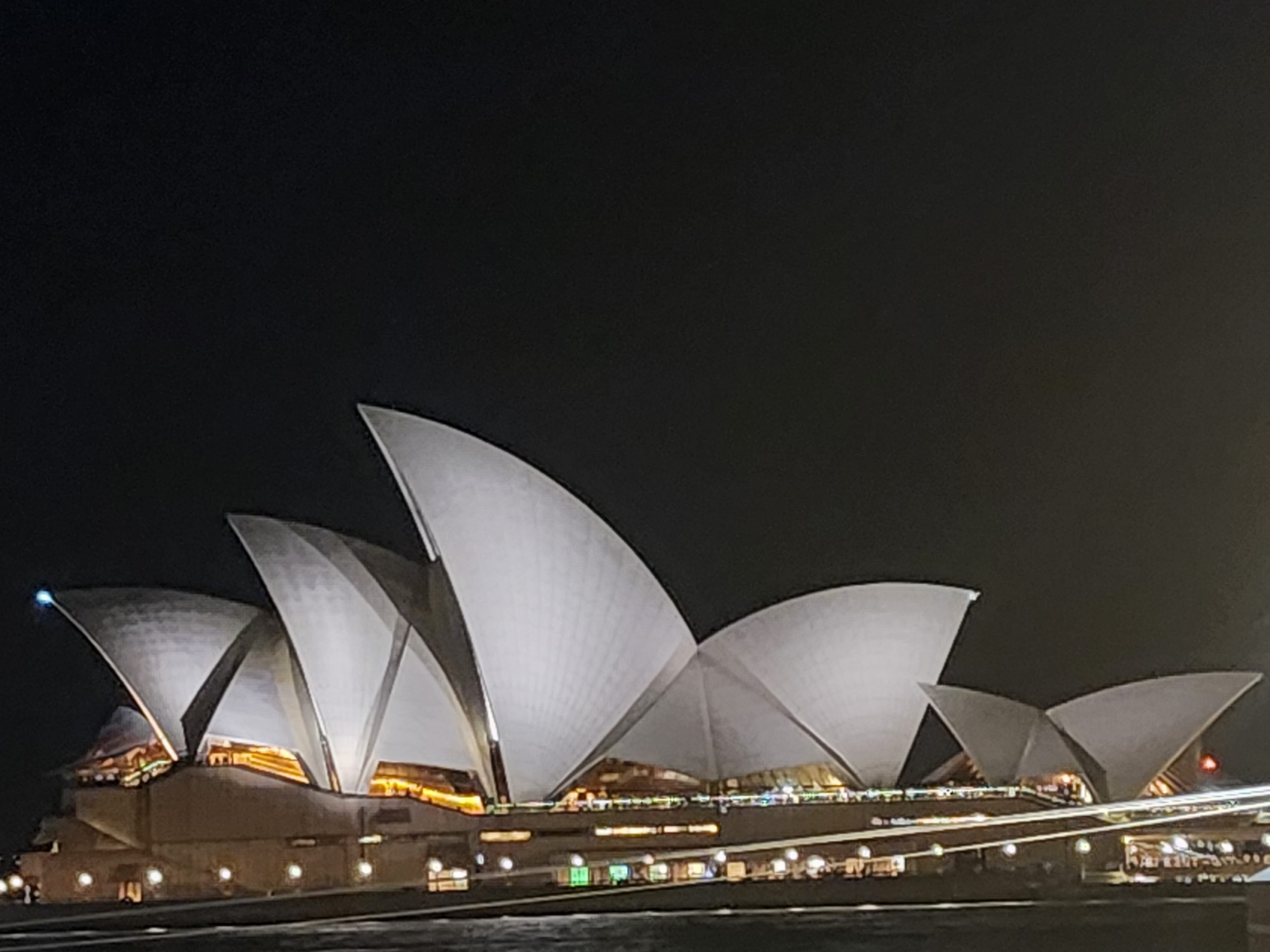
We returned to Sydney and headed to the eastern side, visiting the South Head, Lady Bay Beach and Bondi Beach. Shortly after Bondi, as we were heading to Coogee Beach, we had had enough of the beaches and the hills and decided to head back to Sydney. We stopped for refreshments and then rode on to “The Rocks,” a section that Stephen had recommended we visit. It was definitely a happening area, complete with docking cruise ships (well, the Queen Anne, which Dana was completely fascinated with) and old buildings, restaurants, pedestrian only streets and lots and lots of shops. After a good walking tour of the whole Rocks area, we rode back to our hotel, made some dinner, ate, and crawled into bed.



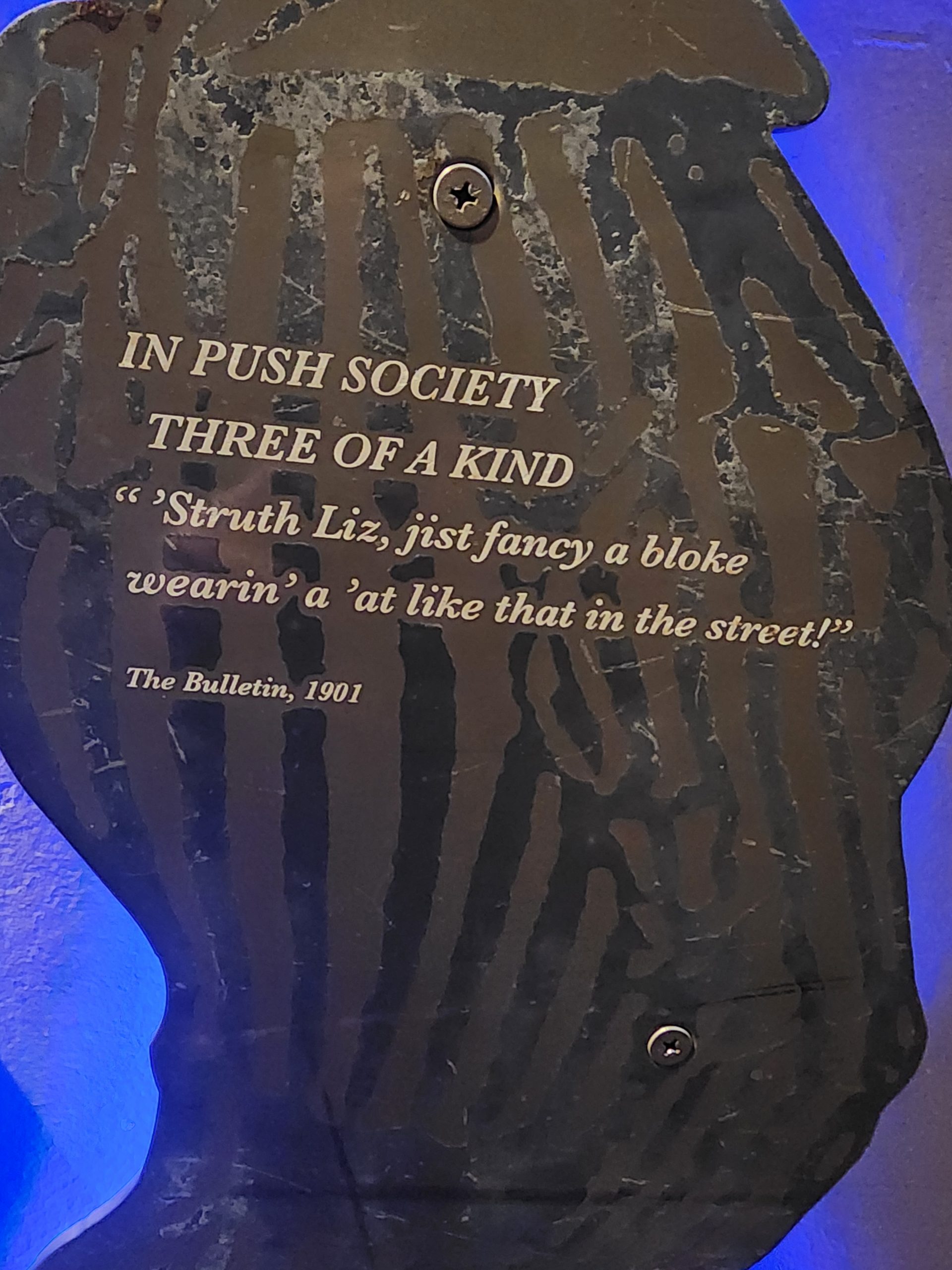
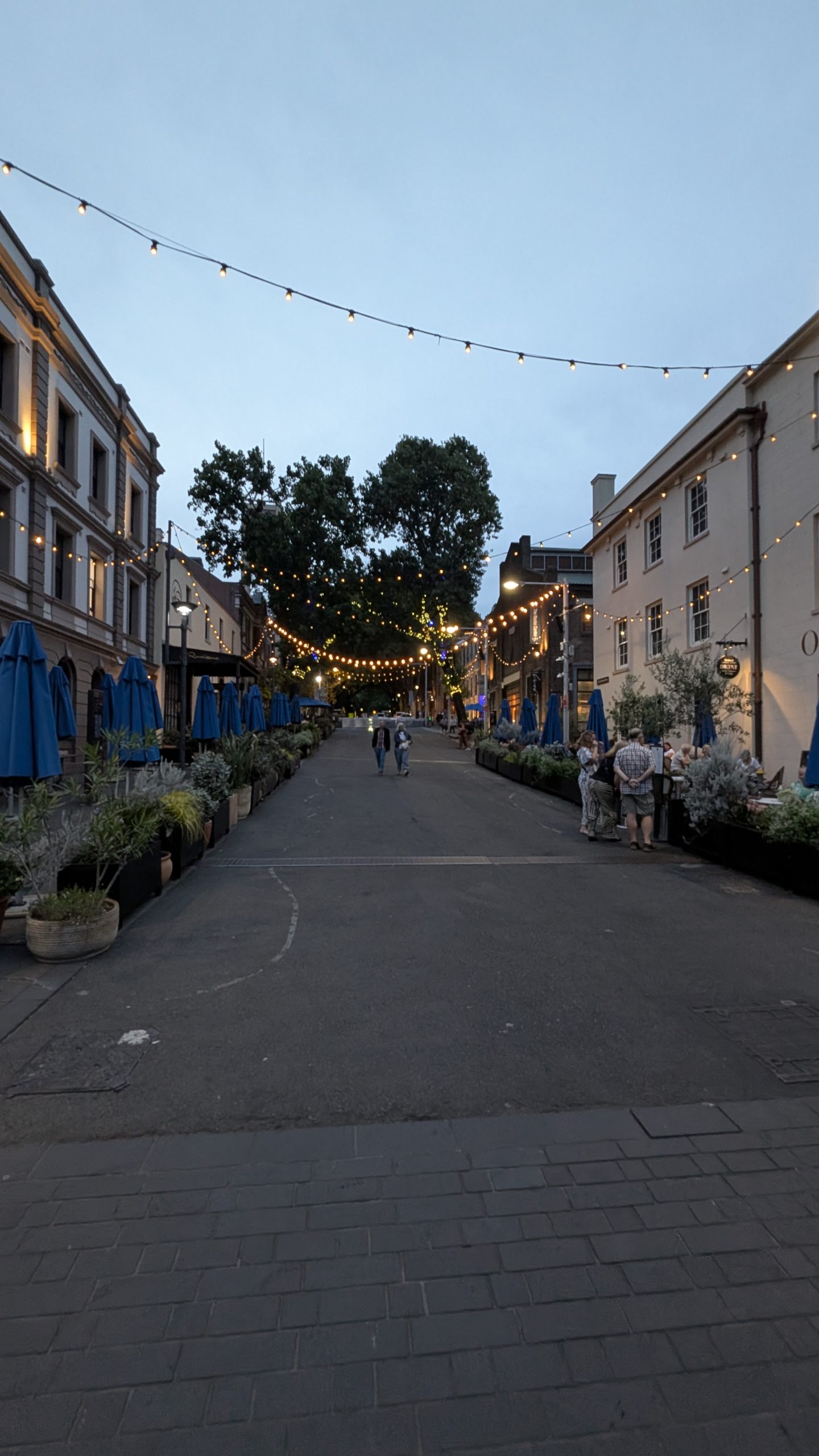
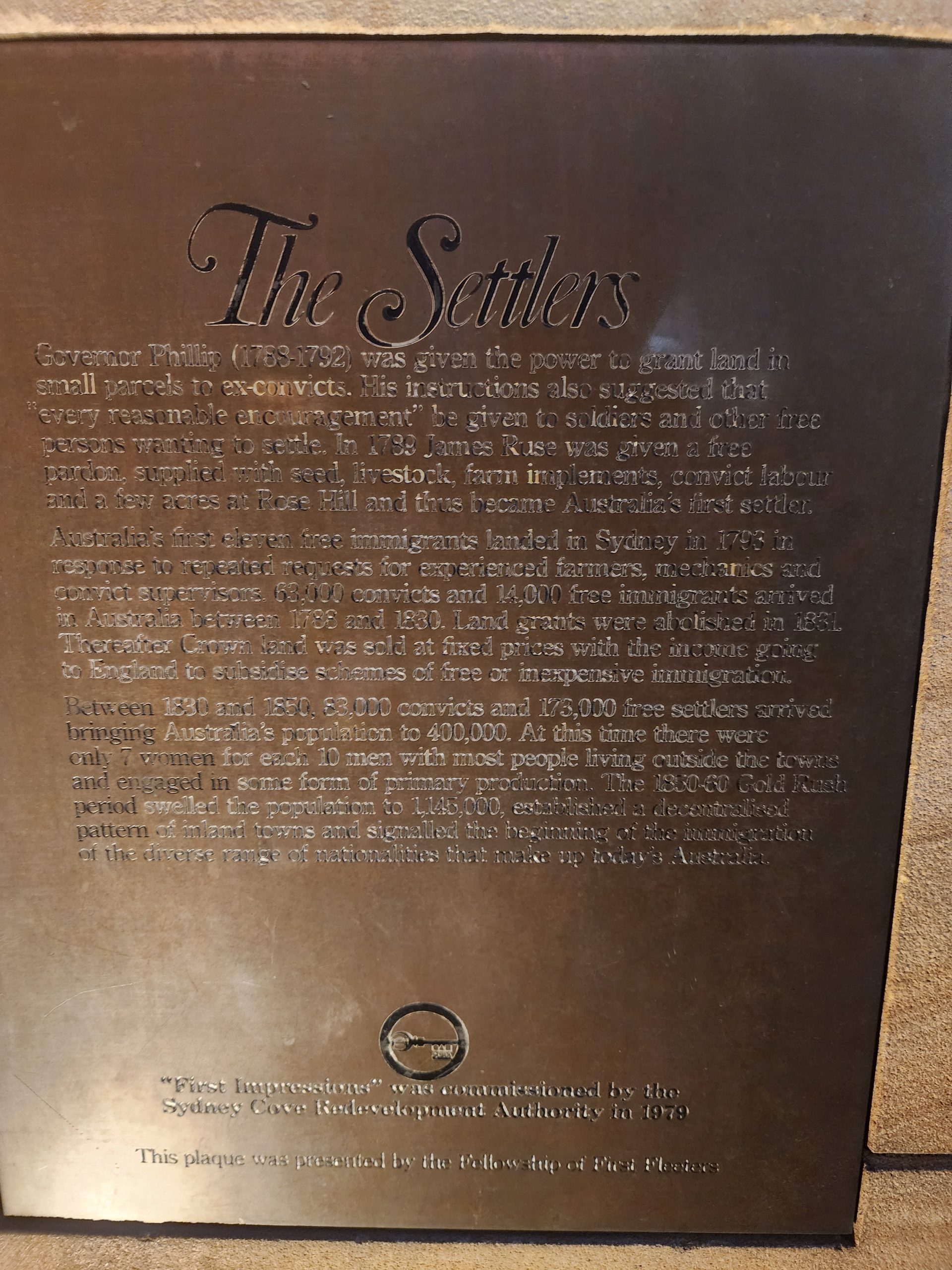
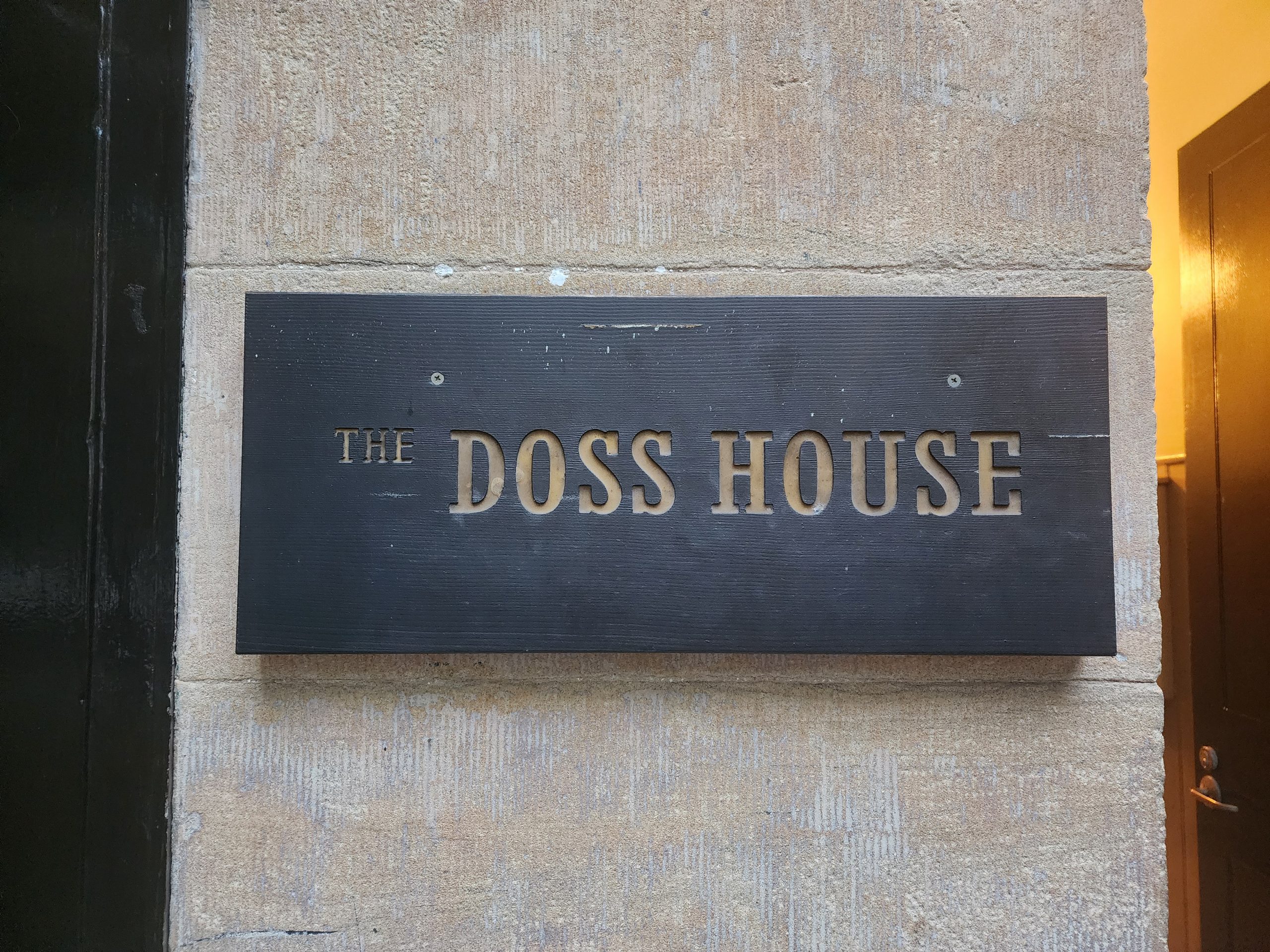

Text of The Settlers plaque above:
Governor Phillip (1788-1792) was given the power to grant land in small parcels to ex-convicts. His instructions also suggested that “every reasonable encouragement” be give to soldiers and other free persons wanting to settle. In 1799 James Ruse was given a free pardon, supplied with seed, livestock, farm implements, convict labour and a few acres at Rose Hill and thus became Australia’s first settler.
Australia’s first eleven free immigrants landed in Sydney in 1798 in response to repeated requests for experienced farmers, mechanics and convict supervisors. 63,000 convicts and 14,000 free immigrants arrived in Austalia between 1788 and 1830. Land grants were abolished in 1881. Thereafter Crown land was sold at fixed prices with the income going to England to susidise schemes of free or inexpensive immigration.
Betwee 1830 and 1850, 83,000 convicts and 173,000 free settlers arrived bringing Australia’s population to 400,000. At this time there wer only 7 women for each 10 men with most people living outside the towns and engaged in some form of primary production The 1850-60 Gold Rush period swelled the population to 1,145,000, established a decentralised pattern of inland towns and signalled the beginning of the immigration of the diverse range of nationalities that make up today’s Australia.